
AI & Data Center Solutions
Upload a VacancyData Center & AI Solutions
Specialists in AI & Data Center Jobs
Data centers sit at the foundation of the modern digital economy, and the sector is scaling at a pace few industries have ever matched. Driven by hyperscale cloud expansion, enterprise digitalisation, AI workloads, and rising demand for edge and colocation capacity, the infrastructure underpinning global connectivity and computation is being built and expanded at unprecedented scale, from large-scale campuses to AI-optimised GPU environments. Global investment is projected to exceed $500 billion by 2030, with the UK established as one of Europe’s leading markets and London a top global colocation hub.
As this infrastructure evolves, so too does the demand for specialist expertise. From construction and critical facilities through to IT operations, AI infrastructure, and advanced networking, organisations are facing growing skills gaps across every layer of the stack. For professionals, this translates into sustained and increasing demand across both established disciplines and emerging roles shaped by AI and high-performance computing.
Market Trends Shaping AI & Data Center Jobs
AI Infrastructure Investment
The buildout of AI-ready infrastructure is the defining capital expenditure story of the mid-2020s. Every major hyperscaler, GPU cloud provider, and enterprise AI programme is competing for the same pool of infrastructure talent - creating exceptional conditions for experienced professionals across the stack.
Liquid Cooling at Scale
Traditional air cooling cannot meet the thermal demands of high-density AI compute. Direct liquid cooling and immersion systems are now mainstream deployment requirements, creating strong demand for engineers with hands-on experience in these environments.
UK & European Expansion
The UK remains Europe's largest data center market by capacity, with continued investment from US hyperscalers, colocation operators, and sovereign infrastructure programmes. Continental European markets, particularly the Netherlands, Germany, and the Nordics, are expanding rapidly as operators seek power-available land outside London.
Edge & Distributed Infrastructure
Enterprise demand for low-latency compute is driving the deployment of smaller, distributed data center facilities - creating new career pathways in operational and technical disciplines outside traditional hyperscale campuses.
Sustainability & Power Engineering
Energy efficiency, PUE optimisation, and grid-connected renewable power are now central to data center operations strategy - driving demand for professionals with expertise at the intersection of power engineering and sustainability.
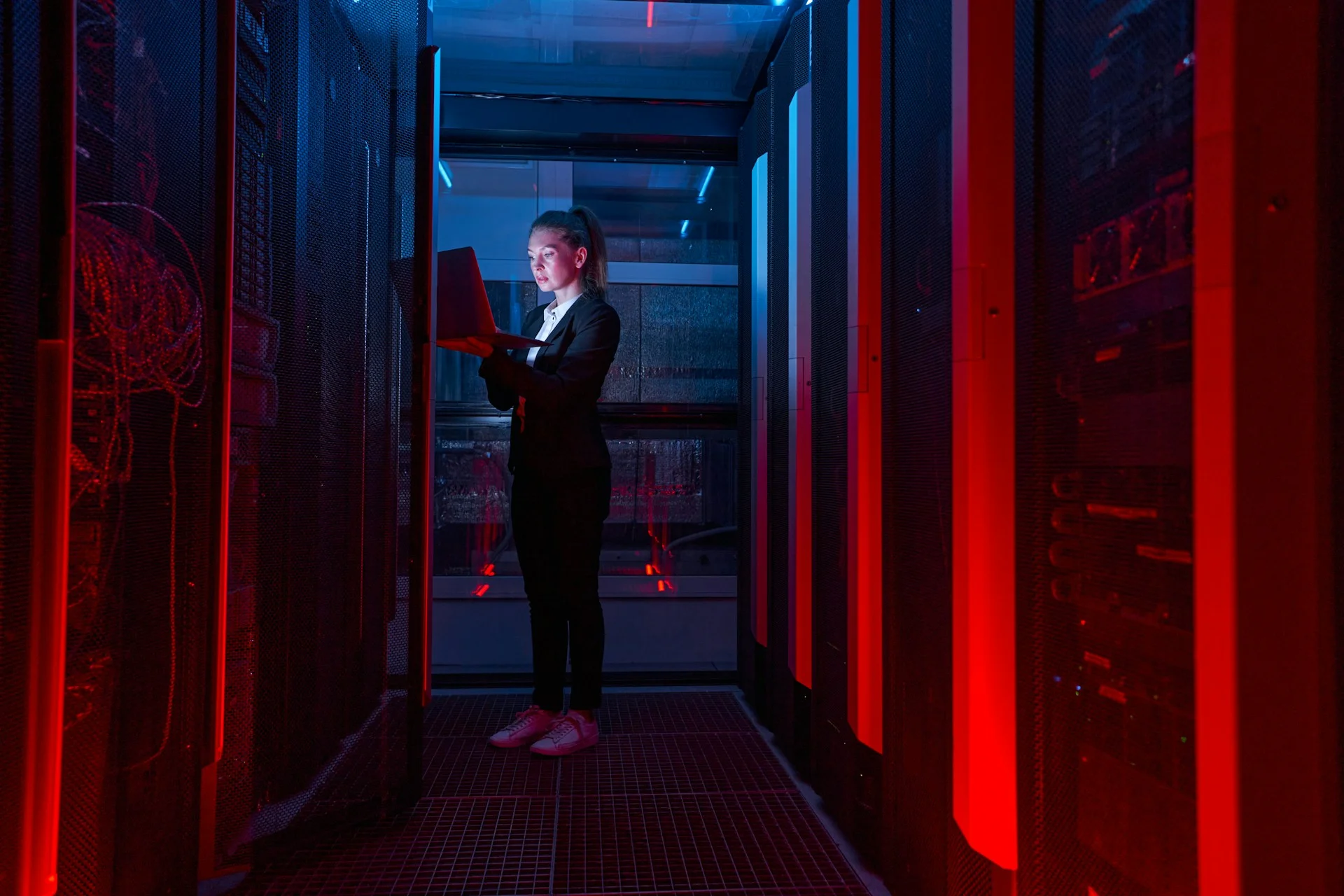
Our Data Center & AI Sub-Specialisms
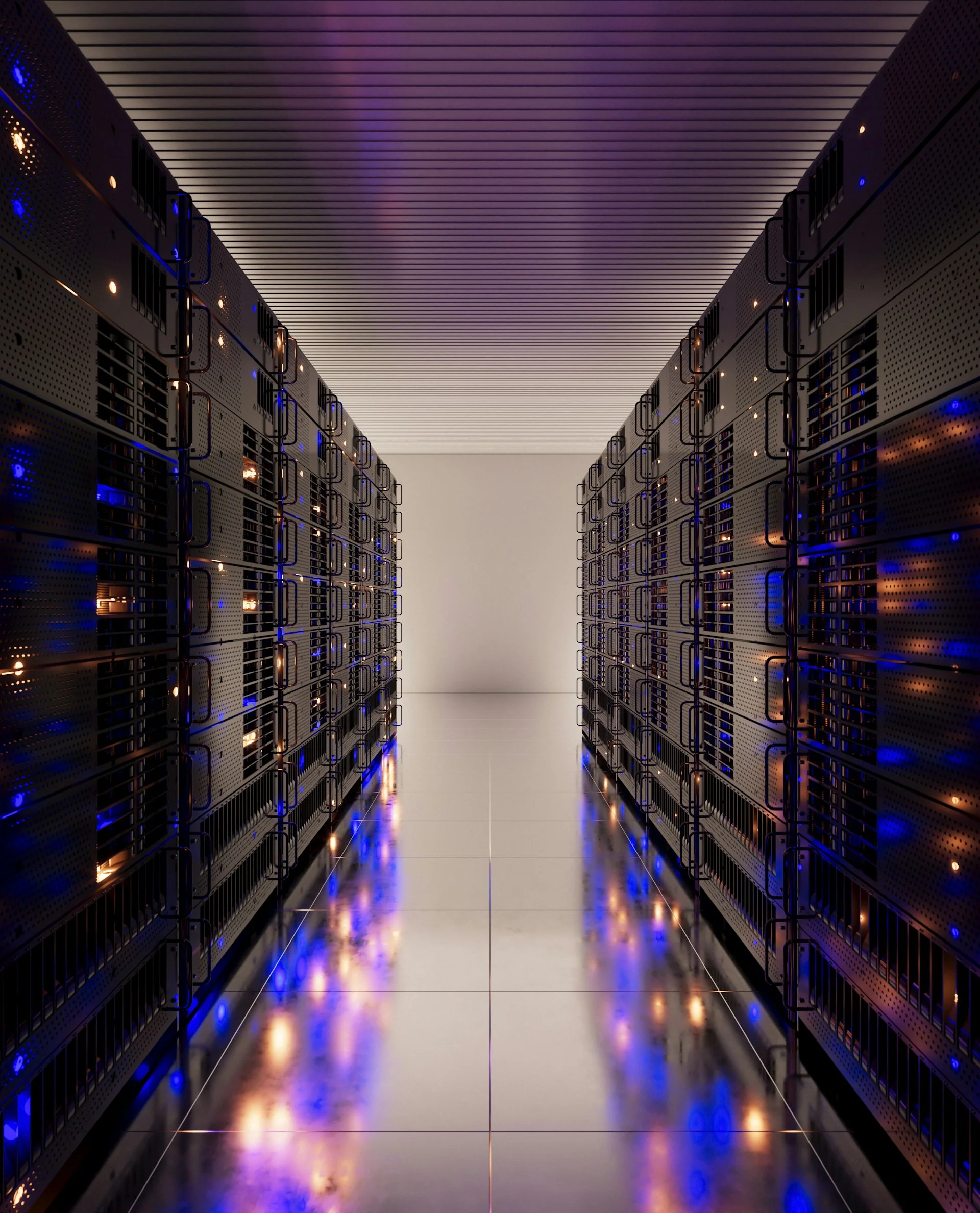
AI Data Center
The physical and operational infrastructure layer for AI workloads - GPU clusters, high-density power, liquid cooling, and the deployment and operations engineering that keeps AI facilities running. The highest-growth segment of the data center market.

AI Software & AI Network
The software and networking disciplines that sit above the AI infrastructure layer - MLOps, AI platform engineering, site reliability, and the high-bandwidth, low-latency networking environments specific to AI cluster operations.
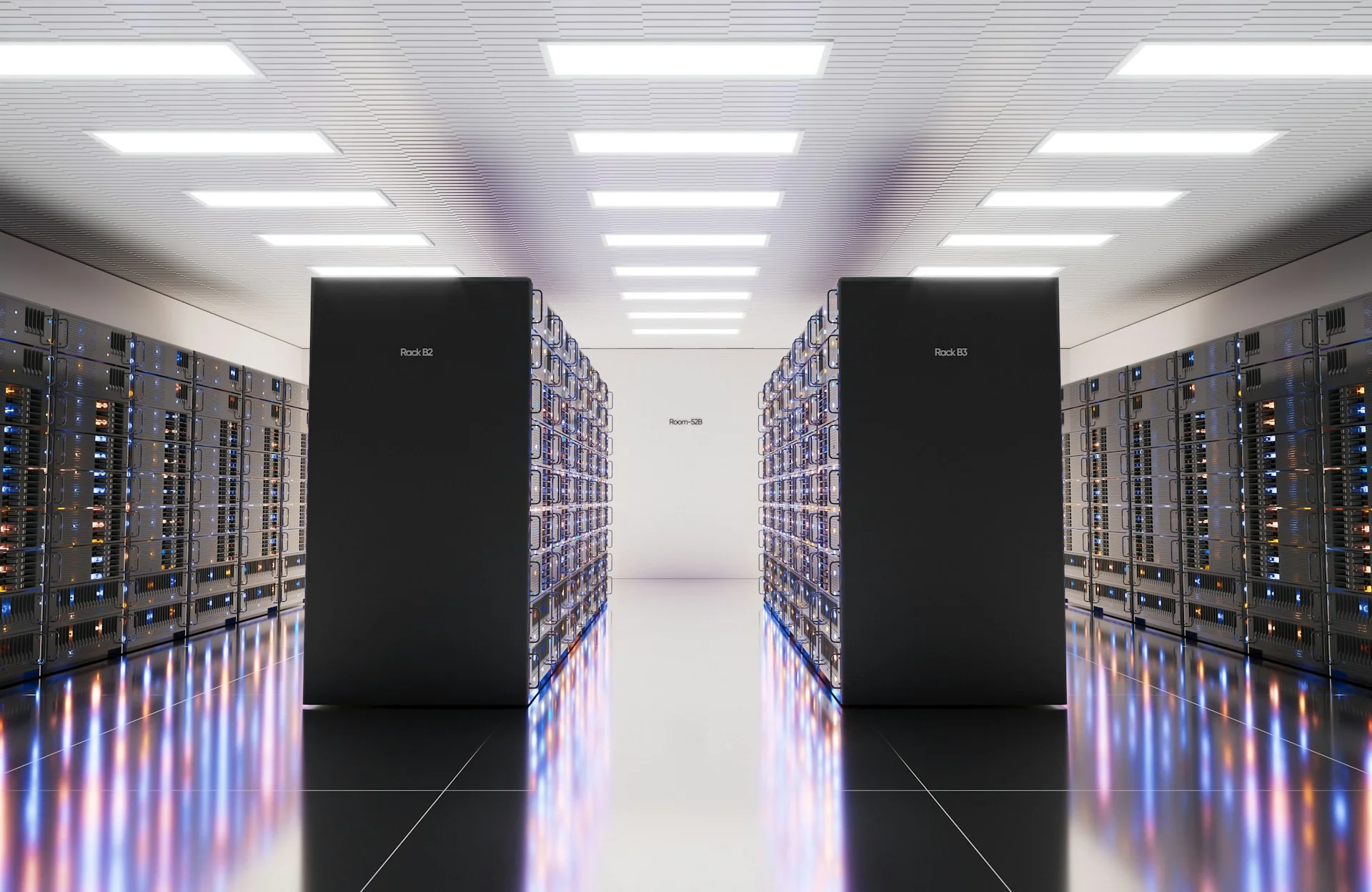
Data Center IT
IT operations inside data center environments - servers, storage, hardware deployment, infrastructure support, and the technical disciplines managing compute and network environments within the white space.
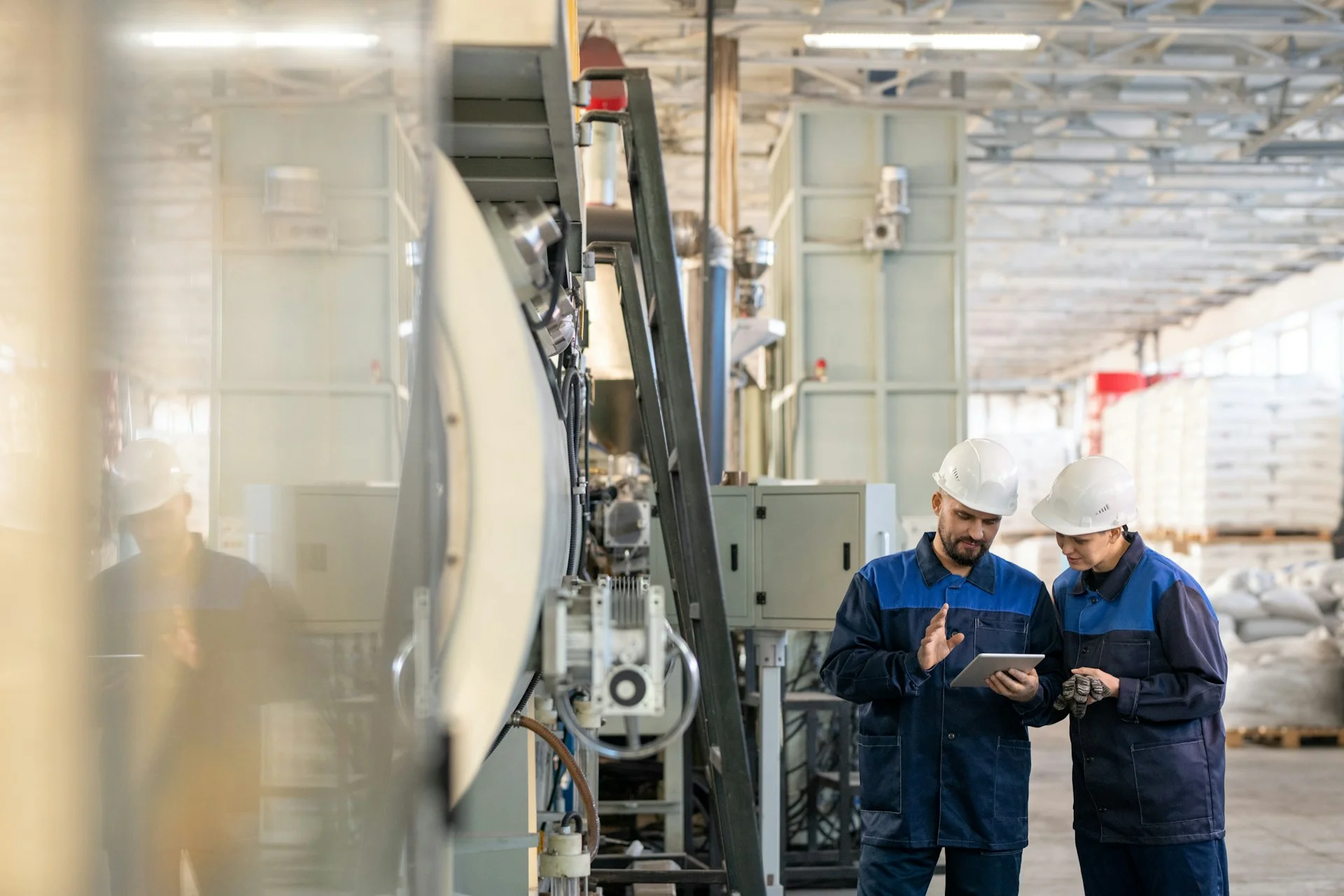
Critical Facilities
The engineering and operations disciplines that maintain uptime across live data center facilities - power, cooling, compliance, BMS, and the 24/7 operational roles that underpin facility performance and resilience.
Construction
The build phase of the data center lifecycle - project management, M&E engineering, commissioning, and the construction disciplines delivering new facilities and expansion programmes across the UK and globally.
QTS Case Study
Read our latest case study in partnership with QTS Data Centers
In 2024, QTS Data Centers began expanding into Europe, opening new sites in the Netherlands to meet growing demand for secure, scalable data centre solutions.
Partnering with Hamilton Barnes, QTS successfully built a skilled engineering team in a new and challenging market - making nine key hires in just one year. From junior engineers to senior specialists, we helped QTS secure the critical talent needed to support their European expansion and maintain world-class service across their sites.
Global Coverage
Hamilton Barnes operates across all major data center markets - UK, DACH, BENELUX, USA, and APAC - with deep knowledge of the regional dynamics, talent pools, and growth trajectories shaping each market.
Data center jobs are increasingly global. Professionals with the right experience are in demand across multiple markets simultaneously, and the organisations building the next generation of infrastructure are operating across borders. Our global reach means we can connect the right people with the right opportunities regardless of geography.

Our Featured Data Center Jobs
Meet The Team
Learn more
Latest Insights
The Market Is Moving. Are You?
The professionals advancing their careers in data centers and AI aren't waiting for the right role to appear. Speak to a specialist who knows where the opportunities are before they're advertised.
Frequently Asked Questions
What defines Data Center Careers within hyperscale and AI-driven environments?
Data center careers are increasingly defined by specialisation across high-density infrastructure, hyperscale deployments, and AI-optimised environments. Expertise is centred on power architecture, thermal management, network fabric, and the integration of scalable, latency-sensitive systems supporting accelerated compute.
Which data center jobs are critical to supporting high-performance infrastructure?
Data center jobs that underpin modern environments typically sit within design engineering, commissioning, critical facilities management, and network infrastructure. These functions ensure resilience across Tier III and Tier IV environments, particularly where uptime, redundancy, and performance under load are non-negotiable.
What are the core components of data center operations?
Data center operations encompass the continuous management of electrical and mechanical systems, including UPS, switchgear, cooling distribution, and network availability. Operational maturity is measured by uptime performance, fault tolerance, incident response, and the ability to manage increasing rack densities driven by AI workloads.
How are data center solutions evolving to support AI workloads?
Data center solutions are shifting toward high-density, liquid-cooled, and modular architectures to accommodate GPU-intensive workloads. This includes advancements in direct-to-chip cooling, scalable power delivery, and optimised layouts designed to handle increased thermal loads and compute intensity.
How is sustainability being engineered into data center operations?
Sustainability in data center operations is increasingly embedded at the design and operational level, through power usage effectiveness (PUE) optimisation, renewable energy integration, and next-generation cooling approaches. The focus is on reducing environmental impact without compromising performance or scalability.