
AI Data Centre Recruitment Specialists
The AI data centre market is transforming global infrastructure, creating unprecedented demand for specialist talent across design, construction, commissioning and operations. Hamilton Barnes provides AI data centre recruitment expertise, market insights and career opportunities across hyperscale, colocation and enterprise environments. Whether you're hiring specialist talent or looking for your next role, our consultants understand the people building the infrastructure behind artificial intelligence.
The AI Data Center Market Overview
The global AI data centre market is entering a new phase of growth as organisations invest in the infrastructure required to support artificial intelligence, high-performance computing (HPC) and next-generation cloud services. Industry analysts forecast AI infrastructure investment to exceed $200 billion annually, driving demand for hyperscale campuses, GPU clusters and high-density compute environments.
Across the UK, Europe and North America, new AI-ready data centres are being designed, constructed and commissioned at pace. This expansion is creating career opportunities across data centre construction, MEP, commissioning, electrical engineering, mechanical engineering, power, cooling and critical infrastructure operations.
As the market evolves, employers are competing for professionals with experience delivering complex data centre projects, while engineers and technical specialists have access to some of the industry's most exciting career opportunities. Understanding salary trends, emerging technologies and the skills shaping AI infrastructure has become increasingly important for both candidates and hiring organisations.
Hamilton Barnes works at the centre of this market, providing specialist recruitment expertise, salary insights and access to AI data centre opportunities across the global infrastructure sector.
Skills & Certifications Employers Are Looking For
I data centre projects require a unique combination of critical infrastructure expertise, AI platform knowledge and experience with high-performance computing environments. Some of the most sought-after skills include:
- Hardware and compute: NVIDIA DGX and HGX systems, GPU cluster architecture, InfiniBand and RoCE fabric management, NCCL, RDMA, MIG partitioning
- Cooling and power: Direct liquid cooling (DLC), immersion cooling systems, high-density PDU management, UPS at AI-scale densities, thermal modelling and simulation
- Orchestration and operations: Slurm, Kubernetes, Ray, containerised workload management, infrastructure monitoring at GPU cluster scale
- Certifications: NVIDIA DCA, Data Center Design credentials (CDCP, CDCS), relevant electrical and mechanical engineering qualifications for power and cooling specialists
Professionals who combine AI infrastructure, data centre engineering and mission-critical operational experience remain among the most sought-after candidates in today's market, with demand continuing to outpace supply.

AI Data Centre Roles We Recruit
We recruit specialist professionals across every stage of the AI data centre lifecycle, supporting hyperscale providers, AI infrastructure companies and contractors with permanent and contract talent for the world's most advanced computing environments.
AI Infrastructure Engineer Jobs
Responsible for the design, deployment, and operation of the physical and logical infrastructure supporting AI workloads. Typically requires experience with GPU architectures, high-performance interconnects, and large-scale compute environments.
HPC / GPU Systems Engineer Jobs
Focused on high-performance compute environments - GPU cluster builds, interconnect fabric management (InfiniBand, RoCE), and the operational engineering of HPC infrastructure at scale.
Data Center Architect Jobs
Designs the physical and systems architecture of AI-ready facilities: from power and cooling topology through to rack layout, network design, and scalability planning for GPU-dense deployments.
AI Platform Administrator Jobs
Manages the platform layer of AI infrastructure - GPU resource allocation, workload scheduling (Slurm, Kubernetes), monitoring, and the day-to-day operational management of AI compute environments.
Power & Cooling Engineer Jobs
Specialist role focused on the electrical and thermal management challenges of AI-scale deployments - direct liquid cooling systems, immersion cooling, high-density UPS, and power distribution at GPU rack densities.
Energy Efficiency Consultant Jobs
Works across facility design and operations to optimise PUE, manage grid connectivity, and deliver against sustainability targets - an increasingly strategic role as AI power consumption comes under regulatory and investor scrutiny.
ML Infrastructure Engineer Jobs
Sits at the boundary of infrastructure and ML operations - building and maintaining the systems that support model training pipelines, data ingestion at scale, and inference infrastructure.

Our Data Centers and AI Sub-Specialisms

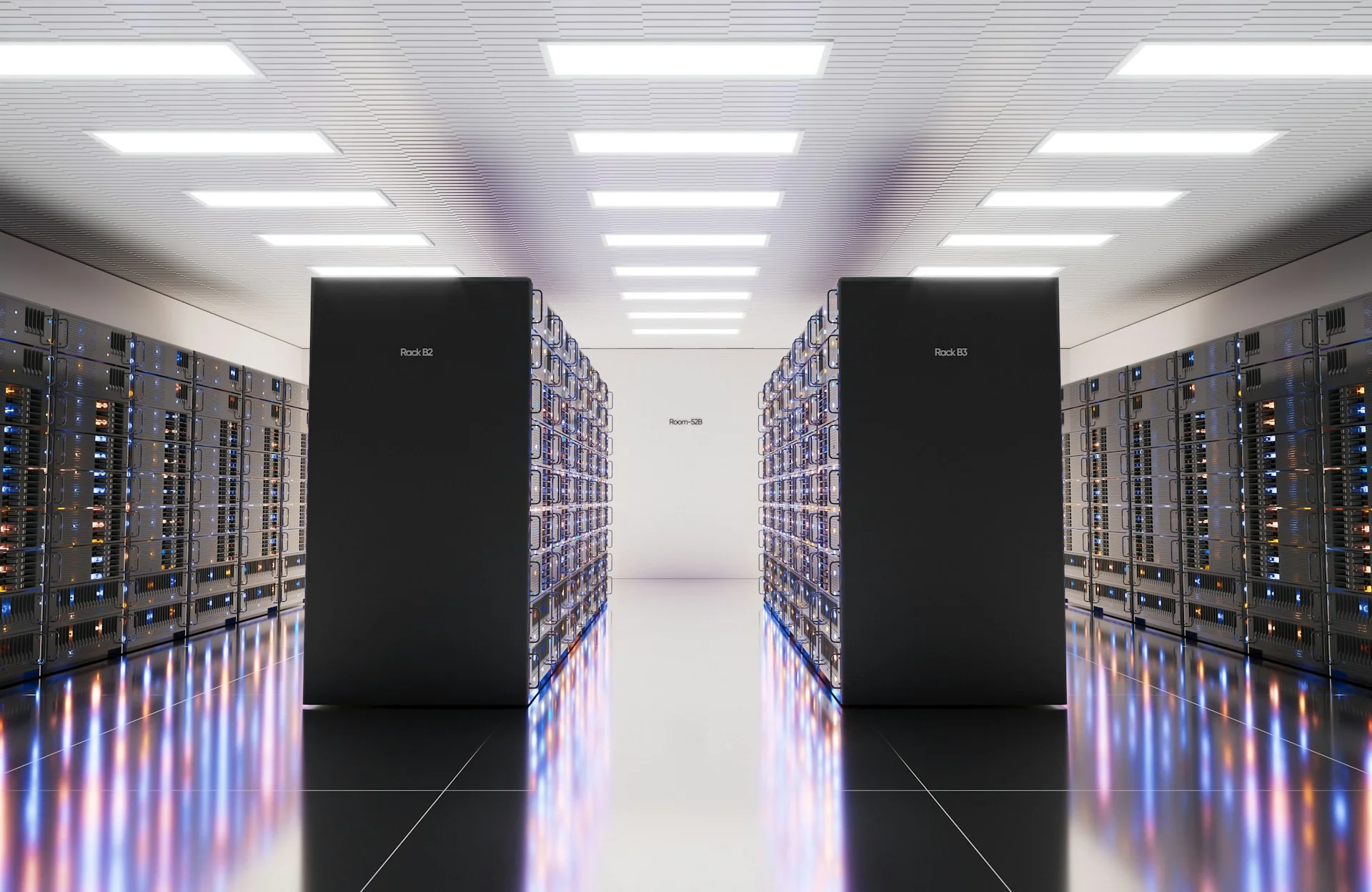
AI Software and AI Network
The software and networking disciplines that sit above the AI infrastructure layer - MLOps, AI platform engineering, site reliability, and the high-bandwidth, low-latency networking environments specific to AI cluster operations.
Data Center IT
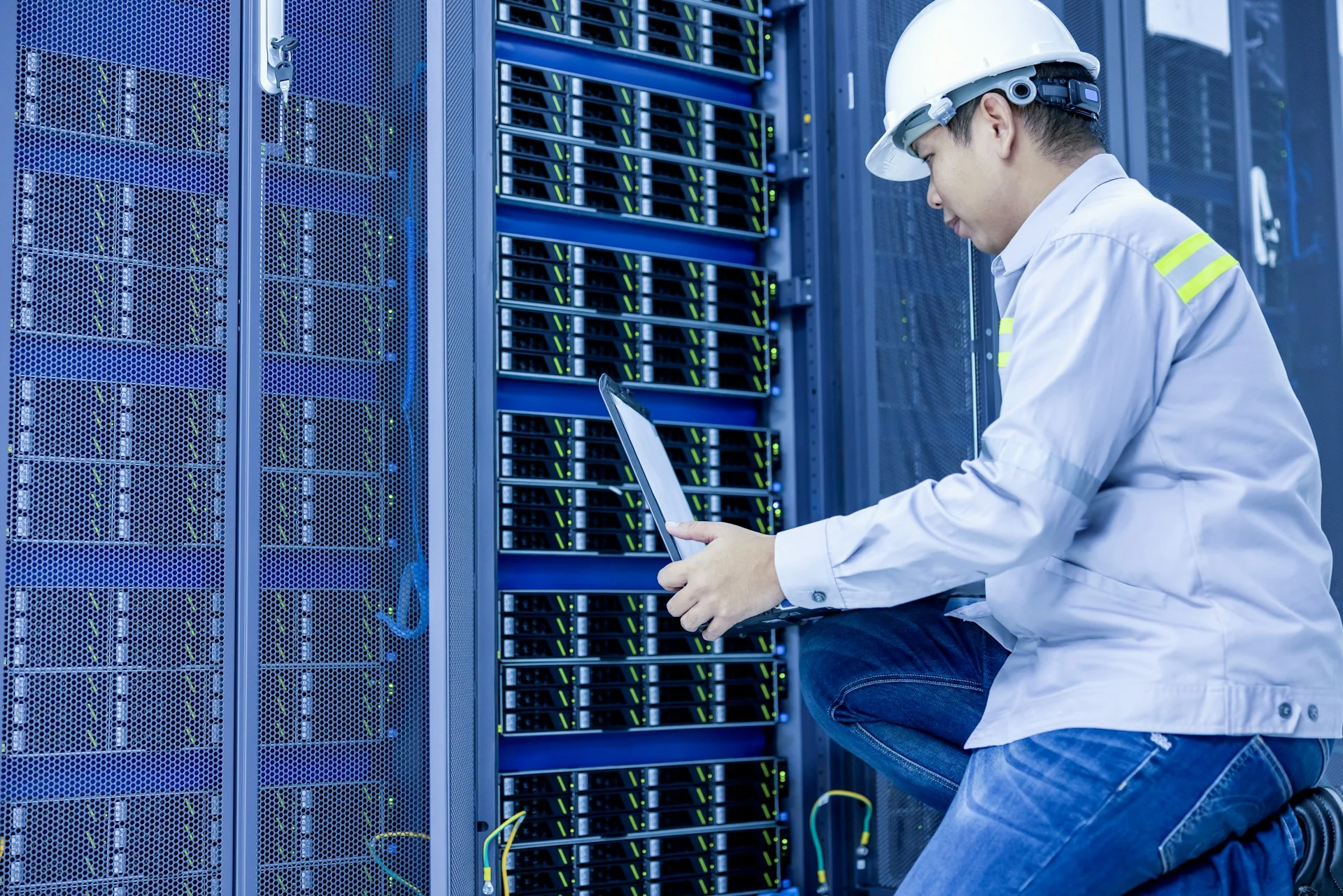
IT operations inside data center environments - servers, storage, hardware deployment, infrastructure support, and the technical disciplines managing compute and network environments within the white space.

Critical Facilities
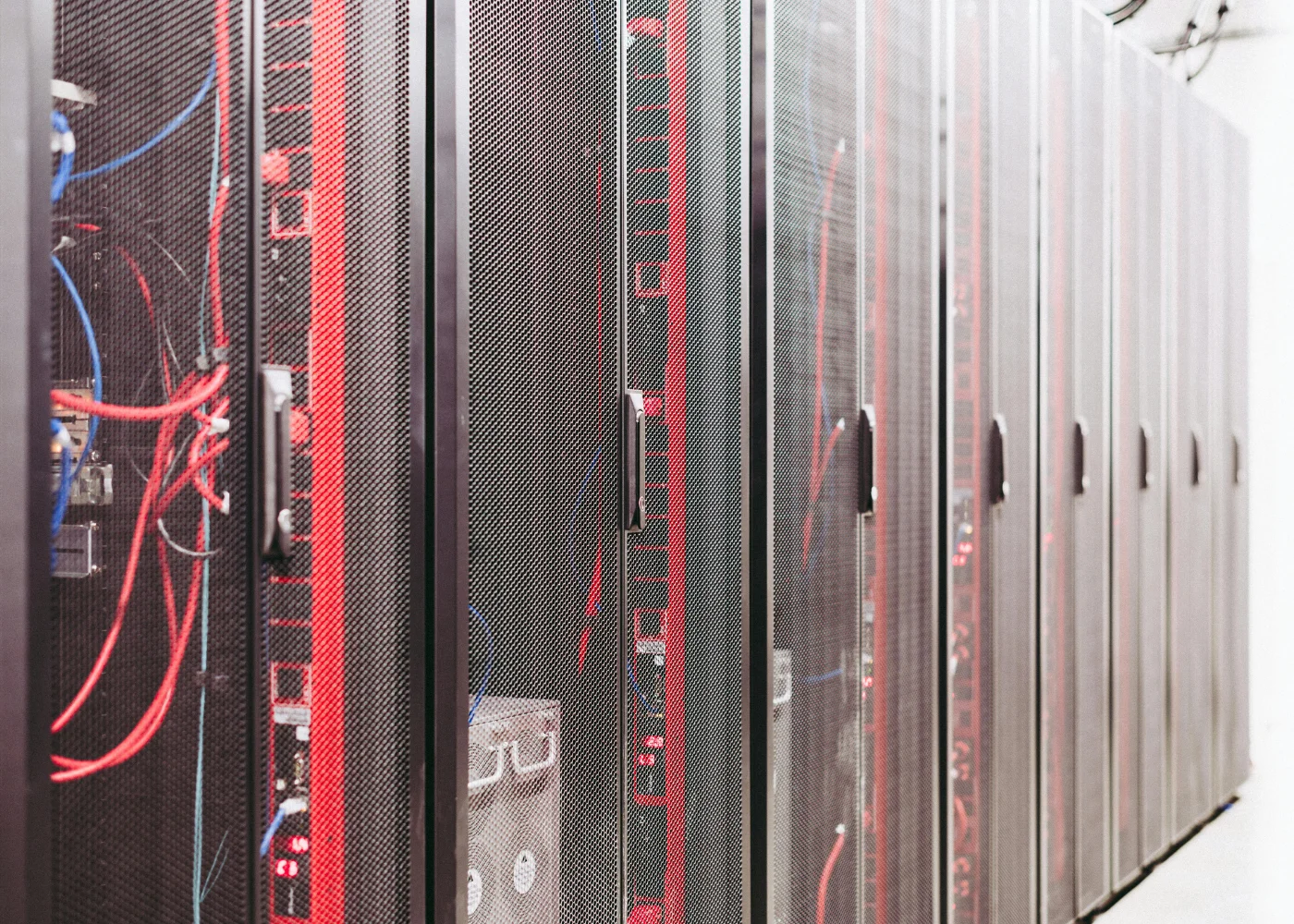
The engineering and operations disciplines that maintain uptime across live data center facilities - power, cooling, compliance, BMS, and the 24/7 operational roles that underpin facility performance and resilience.
Construction
The build phase of the data center lifecycle - project management, M&E engineering, commissioning, and the construction disciplines delivering new facilities and expansion programmes across the UK and globally.
Explore the AI Data Center Timeline
Gain a deeper understanding of how the AI Data Center market has evolved between 2016 and 2026. Use our Interactive Timeline to explore major technology trends, industry growth, and the key developments that have shaped the sector over the past decade.
Read our latest case study in partnership with QTS Data Centers
In 2024, QTS Data Centers began expanding into Europe, opening new sites in the Netherlands to meet growing demand for secure, scalable data centre solutions.
Partnering with Hamilton Barnes, QTS successfully built a skilled engineering team in a new and challenging market - making nine key hires in just one year. From junior engineers to senior specialists, we helped QTS secure the critical talent needed to support their European expansion and maintain world-class service across their sites.
Our Featured AI Data Center Jobs
Meet The Team
Learn more
Latest Insights
Ready to Move?
Whether you're exploring your next step in AI infrastructure or looking to build a high-performance technical team, we work with engineers and organisations at every point of the journey.
Your Questions, Answered
What types of AI data center roles do you cover?
We work across the full range of AI data center disciplines, from AI infrastructure engineer jobs and GPU infrastructure engineer roles, through to energy efficiency consultants, power and cooling specialists, data center architects, and ML infrastructure engineers. Both permanent and contract engagements are covered.
What makes AI data center roles different from traditional data center positions?
AI-optimised facilities operate at significantly higher rack power densities, require specialist knowledge of GPU cluster architecture and high-performance interconnects, and increasingly demand experience with liquid cooling systems that were not standard in conventional data center builds. The operational tooling, Slurm, Kubernetes, and NVIDIA platform management also differ substantially from traditional data center IT disciplines.
What certifications are most valued in the AI data center market?
The NVIDIA DCA (Data Center Associate) certification is increasingly sought after for roles involving GPU infrastructure. Data center design credentials, such as CDCP and CDCS, remain valued for architecture and facilities roles. For power and cooling specialists, relevant electrical and mechanical engineering qualifications are typically expected alongside operational experience.
Do you cover contract as well as permanent AI infrastructure roles?
Yes. We work across both permanent and contract engagements across the AI data center market. Contract roles are particularly common in deployment-phase projects where specialist expertise is needed for a defined period, in GPU cluster builds, in cooling system commissioning, and in new facility bring-up.
What experience level do I need to be considered for AI data center roles?
We work with engineers at every level - from graduate engineers entering through deployment and operations, through to senior infrastructure architects and directors with global AI capex responsibility. The entry point for most AI-specific roles is demonstrable hands-on experience with GPU infrastructure, cooling systems, or AI platform tooling.